


U.S moves to re-assess ties with South Africa following tensions

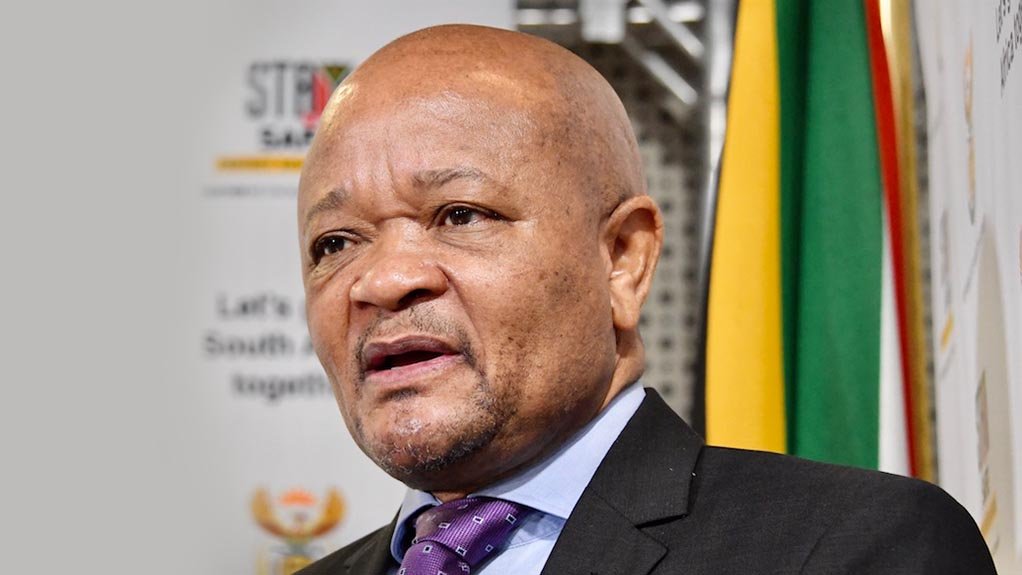
One of the United States of America House Foreign Affairs Committee who wants to re-assess U.S ties with South Africa
image: Ronny Jackson on X
by Mathipa Phishego
In a sharp rebuke of South Africa’s recent foreign policy choices, the United States of America House Foreign Affairs Committee has advanced the U.S.-South Africa Bilateral Relations Review Act of 2025 (H.R.2633). Introduced by Republican Rep. Ronny Jackson, the bill calls for a full review of bilateral relations and identifies South African officials who could face U.S. sanctions.
Supporters of the bill argue that South Africa has increasingly aligned itself with authoritarian regimes like China, Russia, and Iran, while also criticizing its ties to Hamas and its recent legal challenge against Israel at the International Court of Justice (ICJ). The bill passed the committee on a 34-16 vote, with Republicans largely united in support.
Backers say the legislation is necessary to hold South Africa accountable for actions they claim undermine democratic values and global stability. South Africa’s participation in military exercises with China and Russia, along with its stance on Taiwan, are among the concerns cited.
“This sends a strong message that there are consequences for aligning with regimes that threaten our interests,” Jackson said following the vote. Democrats, however, voiced strong opposition, warning that the bill could damage U.S.-South Africa relations and harm American influence in Africa.
They argue that South Africa’s foreign policy reflects its non-aligned position, not hostility toward the United States. “We should engage, not punish,” said Rep. Gregory Meeks, the committee’s top Democrat.
Despite clearing the committee, the bill faces an uphill battle in the full House and an even steeper climb in the Democratic-controlled Senate. A similar measure passed the House in 2024 but failed to advance in the Senate, highlighting the lack of bipartisan consensus.
For now, the bill highlights growing friction between Washington and Pretoria and reflects a broader shift in how U.S. lawmakers view partnerships in an increasingly multipolar world.
While its chances of becoming law remain slim. The bill underscores rising Republican efforts to pressure nations, seen as drifting from the Western orbit and the growing role of foreign policy in partisan debate on Capitol Hill.