


Polokwane’s missing buses and R16 million down the drain
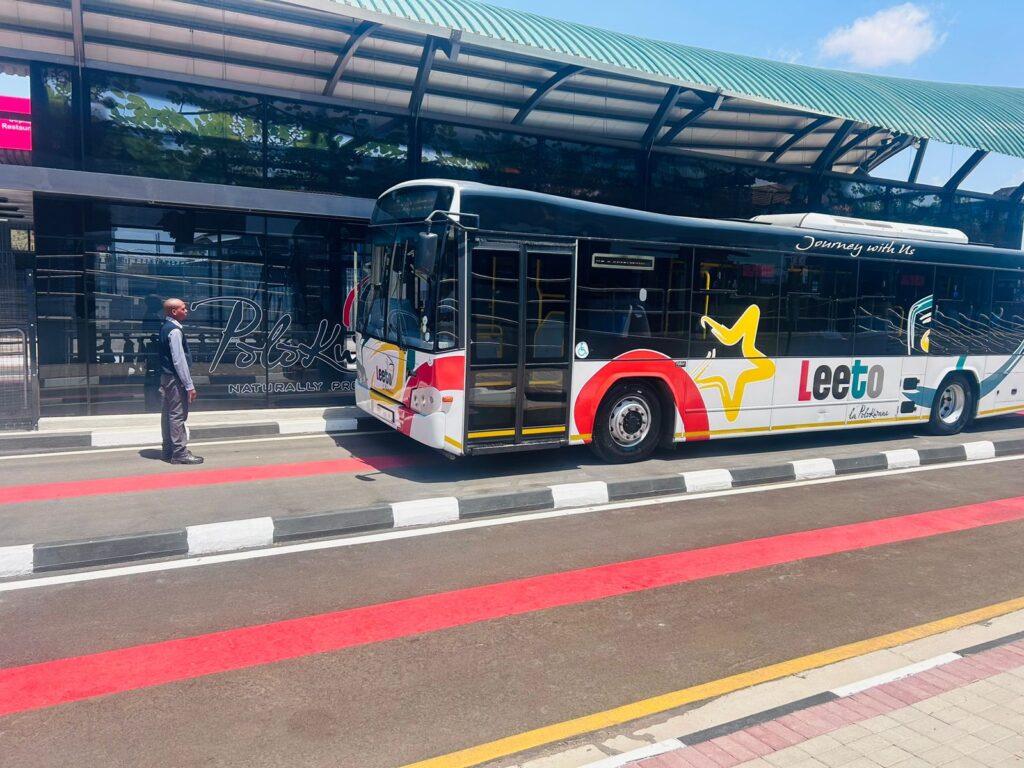
Leeto la Polokwane buses used to subsidies local commuters expense on transport
by Mathipa Phishego
Polokwane Municipality missing buses and R16 million for over half a decade after the municipality started a massive initiative to update the city’s public transport system. The missing 70 buses that were supposed to reduce traffic and increase mobility for thousands of commuters are still missing, despite R16 million having already been spent.
Under the Integrated Public Transport Network (IPTN) plan, what was hailed in 2019 as a game-changing public transport project has now turned into another emblem of delayed service delivery and purported financial mismanagement. Millions were paid to consultants, suppliers, and storage facilities, according to documents gathered under the Promotion of Access to Information Act (PAIA), but not a single bus has gone into operation.
The Polokwane Bus Rapid Transit (BRT) project, which was unveiled with great fanfare in 2018 and is expected to be operational by 2020, is at the center of the story. According to reports, 70 buses had been purchased by 2019 and R16 million had already been spent on infrastructure improvements, logistics, and the rental of a depot outside the city.
Residents of Polokwane, meanwhile have not yet seen the promised buses on the roads in the six years that have passed. Rather the depot is still mostly dormant and there have been rumours of vandalism and deterioration. Maria Seabi, a domestic worker who lives in Seshego and comes to the city every day, said, ” It is devastating, these buses were supposed to make our lives easier. We are still walking long distances or paying too much for taxis today.”
When asked about the location of the buses by civic organisations and opposition council members, municipal officials have found it difficult to give definitive answers. Although the buses were purchased, according to a 2024 internal audit. Some were still being stored and others had reportedly been temporarily sent to other municipalities. However, no official contracts for these transfers have been made public and it is still uncertain how the buses are now being maintained. “The buses didn’t simply go without explanation. Someone knows where they are and someone must be held accountable,” DA council member Thabo Maluleka, who has been advocating for a thorough forensic inquiry.
The R16 million already spent, mostly on pre-operational expenses, depot leasing, and advisory fees, is an even more worrisome situation. Companies connected to people with political connections to the province’s ANC leadership were among the benefactors. Opponents contend that the lack of openness in the spending may indicate more serious problems with corruption and irregularities in the tendering process.
It is just another instance of how taxpayer funds are embezzled through poor administration, if not open thievery. According to political analyst Kholofelo Mphahlele, the lack of public transit in a developing urban area like Polokwane is not just a failure in service delivery but also an economic deterrent.
The Limpopo Standard was informed by municipal spokesman Joyce Nkwane that the project was delayed due to unforeseen logistical and contractual complications and that the buses were safe and present. “We are attempting to address the issue with all parties concerned since we recognise how frustrated the public is. By the end of 2025, the council will receive a new implementation plan,” Nkwane stated.
However, locals and civil society organisations are still not convinced. It’s time to stop talking. If we don’t see results, people will take to the streets,” Limpopo Civic Forum member Raymond Mokoena cautioned. The missing buses have become a contentious subject as 2026 municipal elections approach, particularly among young voters and jobless locals who perceive the public transit failure as a component of a wider trend of unfulfilled promises. If nothing changes by early 2026, the South African Human Rights Commission has threatened to start its own investigation.
Until then, commuters in Polokwane are forced to deal with crammed taxis, crumbling roads and growing transport expenses while the fate of a fleet that was supposed to serve them is concealed behind political silence and bureaucratic barriers.