


Madlanga Commission secures docket copies in political killings probe
By Mathipa Phishego
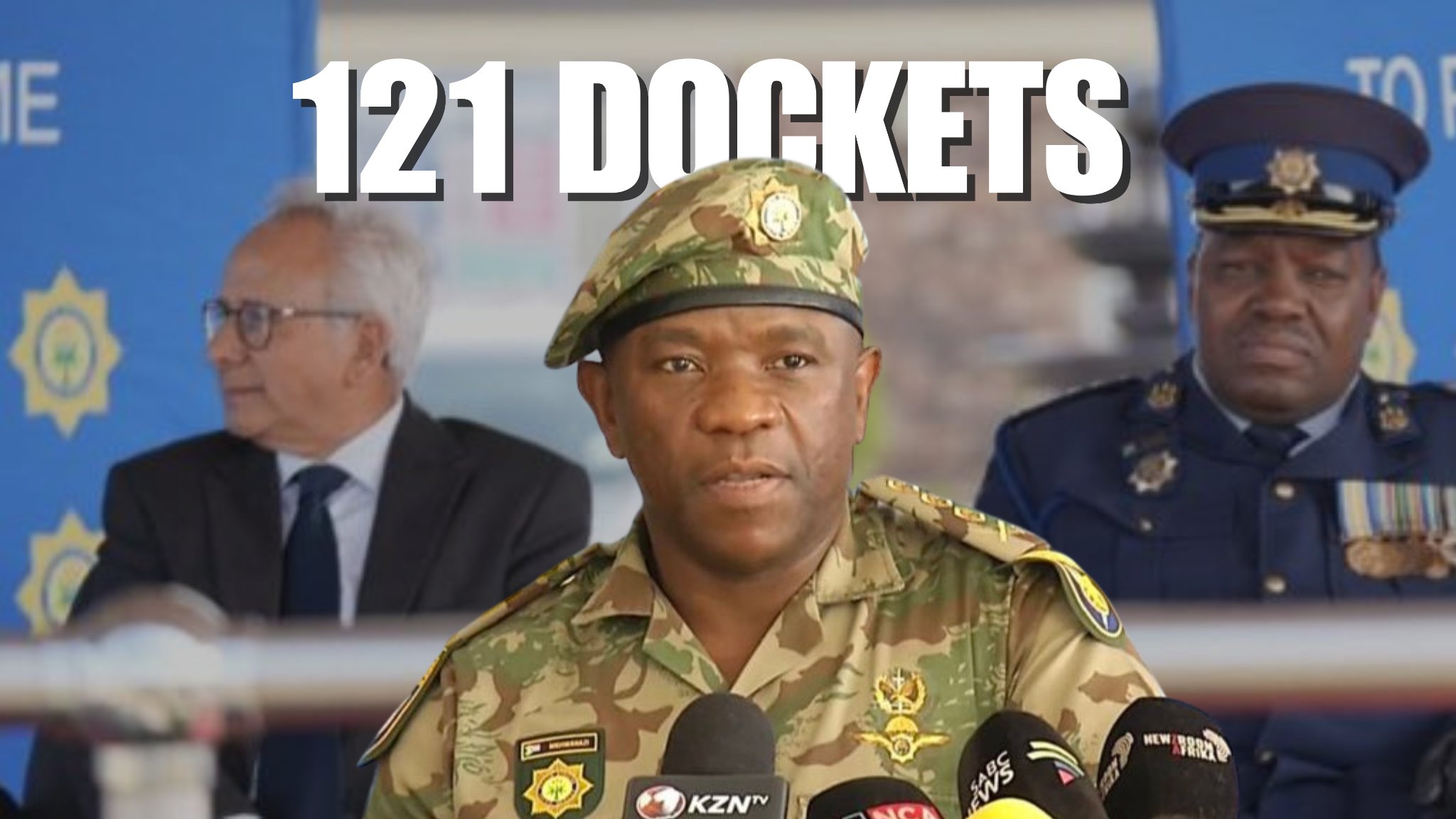
South Africa’s ongoing battle against politically motivated violence, copies of 121 case dockets involving political killings have been officially handed over to the Madlanga Commission of Inquiry.
While the original files will remain with the KwaZulu-Natal Political Killings Task Team for ongoing investigations.
The agreement, reached between the South African Police Service (SAPS) and the Ministry of Police, follows weeks of institutional tension and public concern over the management of key evidence in some of the country’s most politically sensitive murder cases.
The Madlanga Commission, chaired by retired Constitutional Court Justice Mbuyiseli Madlanga, was established to probe allegations of political interference within the justice system. Particularly in how SAPS handles politically linked murder investigations. “This dual-access solution protects the integrity of both the criminal justice process and the Commission’s mandate,” SAPS said in a joint statement with the Ministry on Tuesday.
Earlier this year, the original dockets were controversially moved from the KZN task team’s headquarters to SAPS national offices in Pretoria. The transfer sparked accusations of political interference, particularly after provincial commissioner Lieutenant-General Nhlanhla Mkhwanazi claimed the disbanding of the task team had been politically motivated.
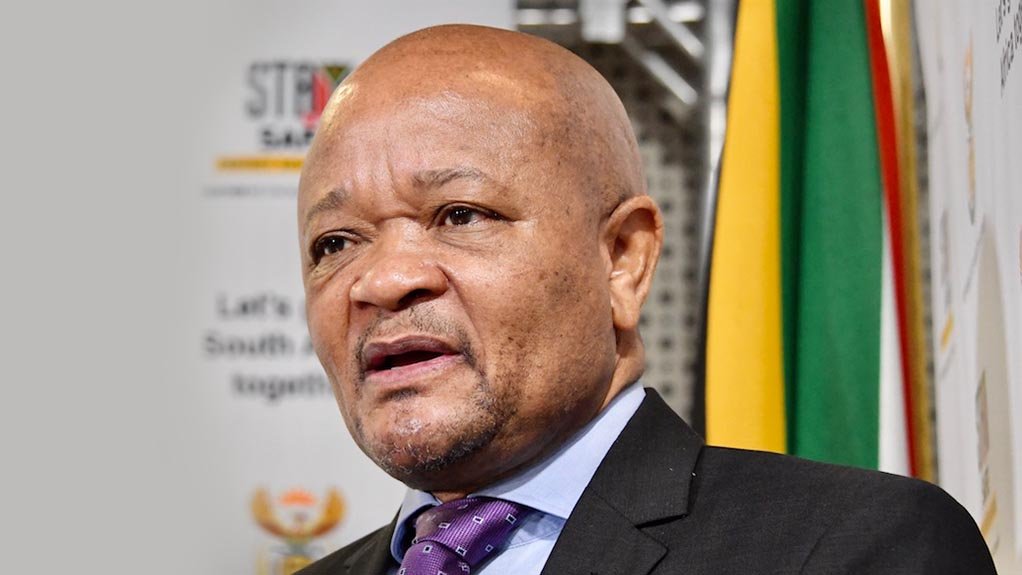
Acting Police Minister Firoz Cachalia opposed the return of the dockets to the province. Arguing that it could compromise the Commission’s ability to conduct an unfettered inquiry.
However, National Commissioner Fannie Masemola, defended the move. Stating that it was necessary to keep investigations moving.
The compromise allows the Commission full access to copies of the files, while police in KZN can continue criminal probes using the originals.
The dockets include cases involving the assassinations of local councillors, political activists, and whistle-blowers many of which remain unsolved. The Commission is expected to examine whether political pressure or internal sabotage within SAPS has impeded progress on these investigations.
Political Killings Task Team, established in 2018, has investigated 333 such cases and secured over 130 convictions. Among its high-profile successes is the case of Sindiso Magaqa, the former ANC Youth League leader who was gunned down in uMzimkhulu in 2017.
Despite these achievements, its sudden disbandment earlier this year. Prompted renewed calls for transparency.
In a rare show of unity, Minister Cachalia and Commissioner Masemola announced their renewed cooperation and intent to consult regularly on SAPS operations going forward.
They emphasized the need for impartial investigations and pledged to bolster police capabilities to investigate politically linked crimes nationwide.
The agreement also mandates that the SAPS will act swiftly on any matters the Commission flags as urgent, ensuring a coordinated approach.
Madlanga Commission is now expected to begin reviewing the case files in preparation for its first round of public hearings, scheduled for later this month.
The outcome of the Commission could shape South Africa’s approach to political violence and police reform for years to come.