


Government Announces 2026 Education Plans Amid Growing NSFAS Debt Crisis

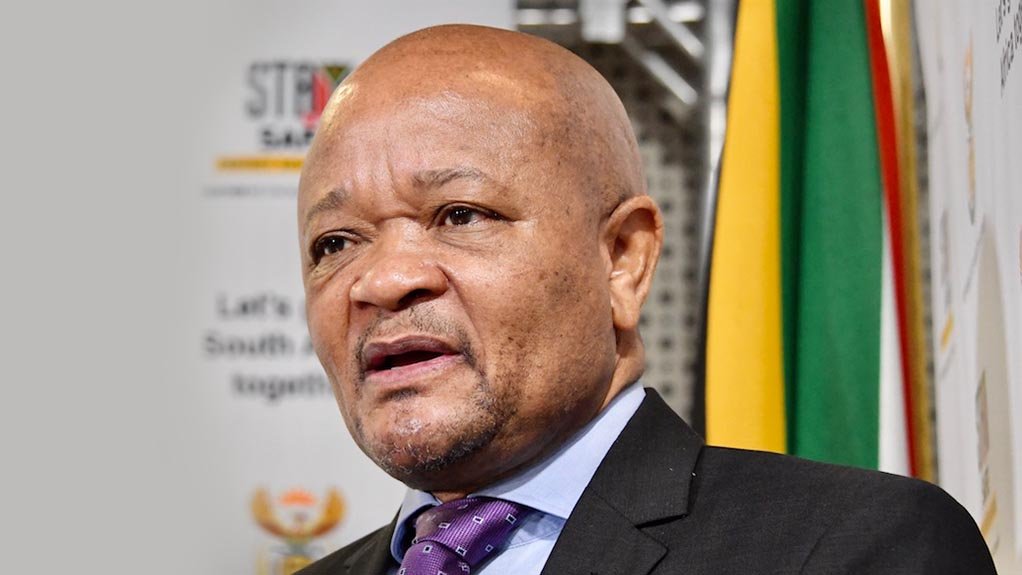
The Department of Higher Education and Training, Buti Manamela announces the opening of NSFAS applications. (HigherEduZA/via X)
by Kelebogile Matlou
The Department of Higher Education and Training has unveiled its 2026 education plans even as the National Student Financial Aid Scheme (NSFAS) faces a mounting R45 billion debt crisis.
The newly sworn in Minister Buti Manamela led a media briefing at the Ronnie Mamoepa Media Centre in Pretoria, outlining how the Post-School Education and Training (PSET) sector including universities, TVET colleges, and CET colleges is preparing for the new academic year.
He said the department is in the middle of a comprehensive revamp of the PSET system, aimed at expanding access, improving quality, and strengthening efficiency in higher education.
Manamela acknowledged persistent challenges such as student housing shortages, weak infrastructure, limited institutional capacity, and financial aid delays. He also confirmed that NSFAS applications for the 2026 academic year officially opened on 15 September 2025.
The announcement comes as students across the country continue to grapple with delayed allowances, poor accommodation, and ballooning student debt – issues that have fueled years of protests with little resolution.
NSFAS CEO Waseem Carrim revealed in August that the scheme carries R45 billion in unpaid student loans, some dating back to 2018. The backlog includes loans issued under both NSFAS and its predecessor, the Tertiary Education Fund of South Africa (TEFSA), which operated from 1991 before NSFAS was formally legislated in 1999.
Carrim admitted that debt recovery has been a longstanding weakness, but insisted the board could not ignore the arrears. “We could not sit on that substantial amount of debt without collecting it,” he said, urging employed graduates to begin repaying their loans.
He emphasized that repayment was not just an obligation to NSFAS, but also a duty to society, “the vast majority of South African graduates are working. Those who took out loans, graduated, and found employment have to pay back their debts.”
NSFAS board chairperson Karen Stander said the scheme had begun contacting loan recipients who were funded before 2018.
“Once they earned more than R30,000 annually, we reminded them of their contractual obligation to repay,” she said.
Stander warned that debtors who fail to meet minimum payment requirements risk having their accounts handed over to external debt collectors.
The government’s announcement of new reforms highlights an effort to stabilize higher education funding, but the growing NSFAS debt crisis casts a shadow over these plans. Analysts warn that unless debt collection improves and student support systems are strengthened, financial aid challenges will continue to undermine access to higher education.
The Department insists its reforms will help the PSET sector tackle systemic issues but with billions in unpaid student debt and ongoing student protests, 2026 academic year may once again test the government’s promises of affordability and access.