


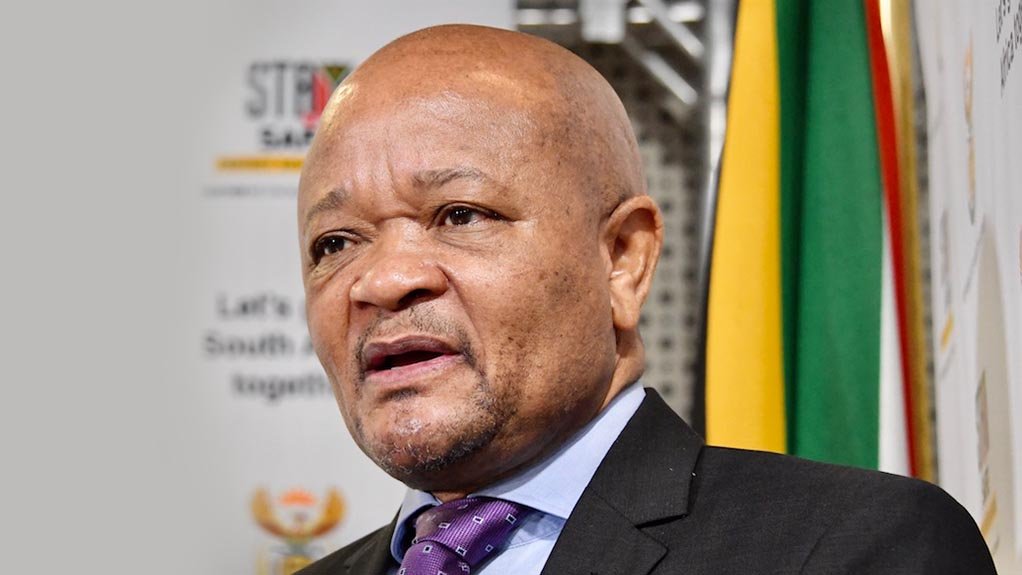
Madlanga Commission Officially Opens Hearings into State Capture of Security Institutions
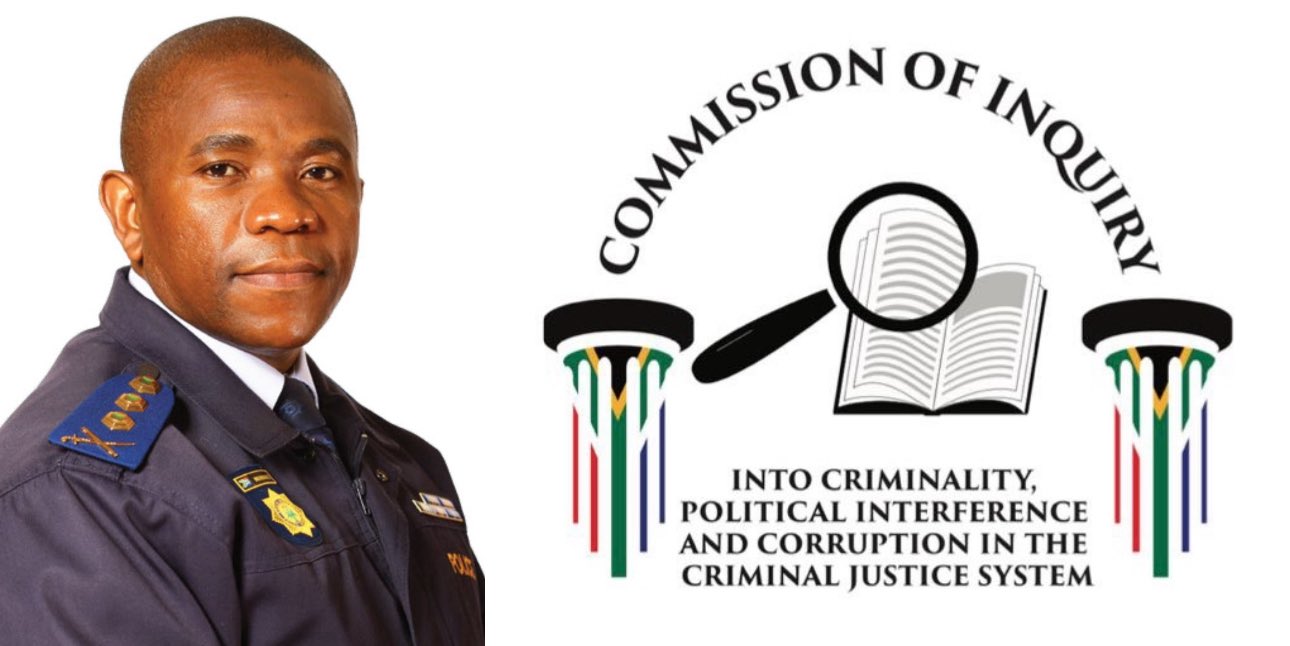
Lt-General Nhalnhla Mkhwanazi testifies first in the Madlanga Commission. (Justice, crime prevention, and security/ via X)
by Mathipa Phishego
The Madlanga Commission of Inquiry, established by President Cyril Ramaphosa in July, officially opened its public hearings today at the Brigitte Mabandla Justice College in Pretoria. The inquiry is tasked with probing allegations of corruption networks, political interference, and the infiltration of criminal syndicates into South Africa’s police, judiciary, and other state institutions.
KwaZulu-Natal Police Commissioner Lieutenant General Nhlanhla Mkhwanazi was the commission’s first witness. He reiterated claims he first raised in a July briefing, pointing to the influence of drug cartels and corrupt officials colluding to derail investigations.
Mkhwanazi detailed how specialized police units had been deliberately weakened, including the controversial disbanding of a task team investigating political killings in KwaZulu-Natal — a move he suggested was influenced by external political pressure. His testimony painted a picture of systematic efforts to shield politically connected individuals from accountability.
The commission is chaired by Acting Deputy Chief Justice Mbuyiseli Madlanga and has been allocated R147.9 million to conduct its work. Its first report is expected to be delivered to President Ramaphosa by December 2025, with the possibility of interim findings released earlier.
In his opening remarks, Justice Madlanga emphasized the importance of restoring public trust in South Africa’s democratic institutions, warning that the credibility of the police and judiciary is at stake.
The launch of the hearings comes against a backdrop of political contestation and legal disputes. Former president Jacob Zuma’s MK Party had attempted to block the commission’s work through the courts, arguing that it was politically motivated. The court dismissed the application, allowing the hearings to proceed.
Meanwhile, Commissioner Mkhwanazi himself is embroiled in a R5 million defamation lawsuit with forensic investigator Paul O’Sullivan, who has publicly disputed some of Mkhwanazi’s claims. This ongoing dispute adds another layer of tension to the already politically charged inquiry.
The Madlanga Commission follows in the footsteps of the Zondo Commission into state capture but is narrower in focus, zeroing in on criminal syndicates and political interference in law enforcement and justice systems. Analysts suggest its findings could have far-reaching implications for governance, security reform, and the upcoming 2026 general elections.
As hearings unfold, the commission is expected to summon senior police officials, judges, politicians, and intelligence officers in an effort to unravel what Justice Madlanga called the “deep rot threatening the pillars of South African democracy.”