


Myth of Effective Management:Cape Town and Mirage of DA Governance
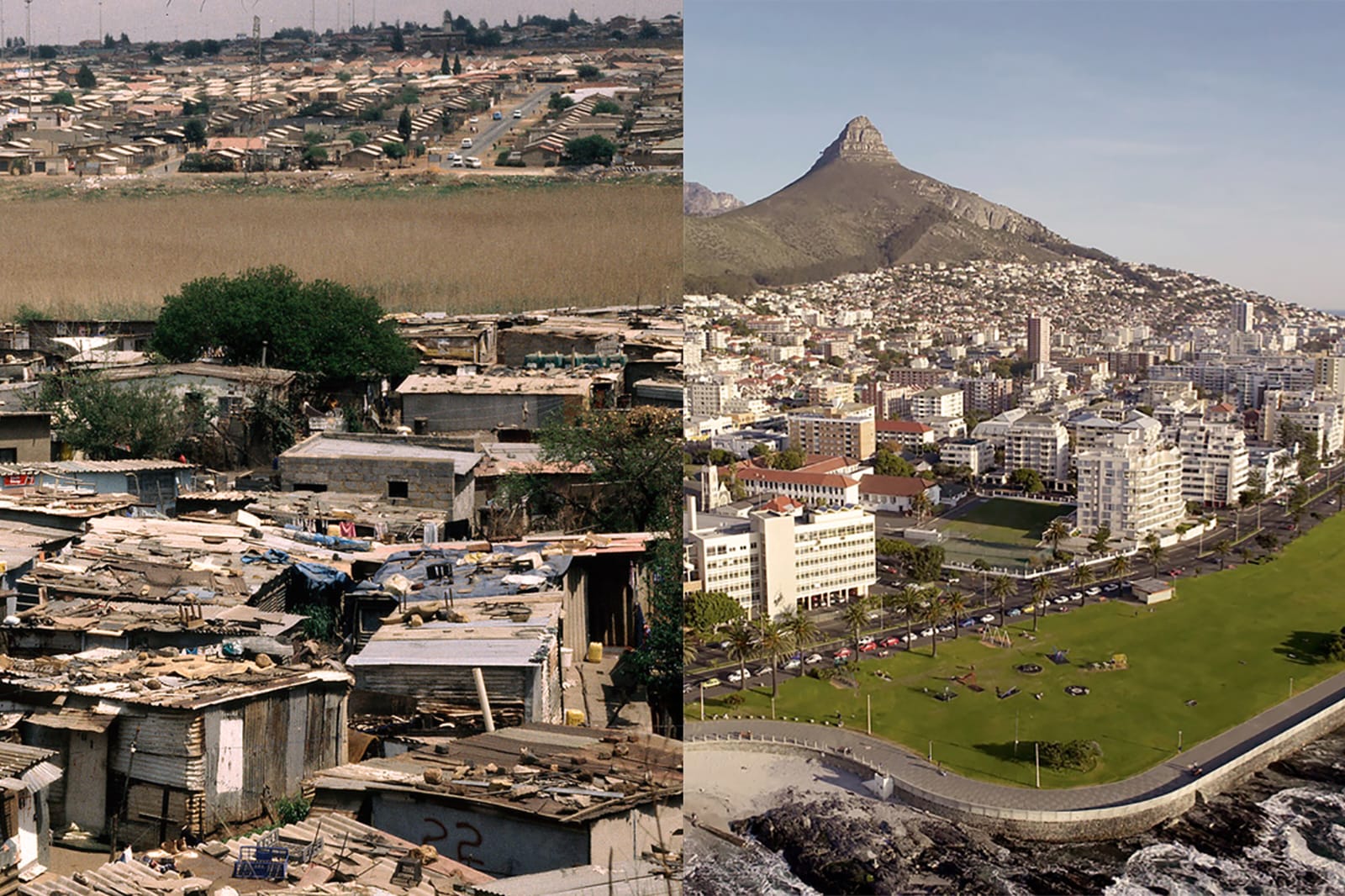
The DA ruled province is still a segregation point. (Supplied)
Mathipa Phishego
The Democratic Alliance (DA) has marketed the Western Cape as proof of its superior management the “model province” that supposedly shows what good governance looks like in South Africa.
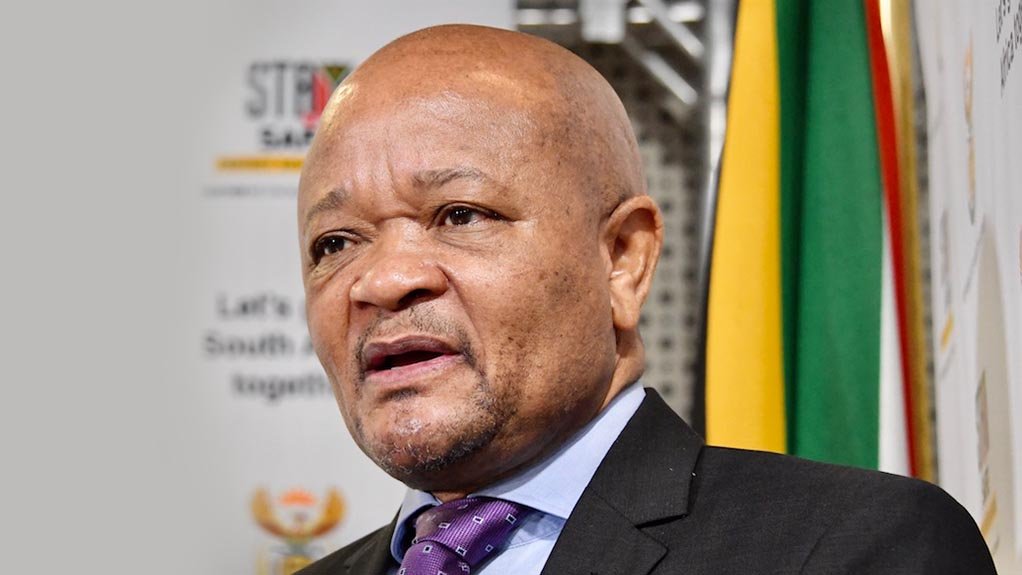
But the recent scandal involving Premier Alan Winde has cracked that illusion. Though Winde denies wrongdoing, reportd that he may have accepted illicit payments from contractors linked to provincial tenders have ignited public outrage and raised uncomfortable questions about the DA’s long-claimed moral high ground.
For a party built on the rhetoric of “clean governance,” the allegations cut deep not merely against one leader. But against a political culture that has flourished under nearly two decades of uninterrupted rule.
At first glance, the DA’s narrative hold. Cape Town’s roads are clean, the lights stay on, and municipal systems run with bureaucratic precision. Yet beyond the postcard suburbs of Sea Point and Constantia, residents of Delft, Wallacedene, and Khayelitsha tell a different story.
One of inflated service bills, unreliable utilities, and an opaque, punitive billing system that pushes the poor further into debt. This is not accidental mismanagement. It is a consequence of a governance model obsessed with fiscal discipline over social equity efficient for some, extractive for most.
In Cape Town, the poor pay more for less, while the wealthy remain shielded from the failures that plague the rest of the country. Three decades after apartheid’s end, the city remains among the world’s most segregated.
Informal settlements such as Blikkiesdorp and Marikana have become permanent “temporary” zones of abandonment. Residents live with sewage leaks, overflowing refuse, and crumbling infrastructure, while inner-city land is sold off to developers under the banner of “urban renewal.”
Even the city’s prized infrastructure is faltering. Sewage spills have polluted beaches along False Bay, stormwater drains overflow with each storm, and power faults plague poorer districts.
Behind the statistics lies a moral question, who does the DA govern for? In a city gripped by gang violence, where gunfire echoes through Manenberg and Mitchells Plain, the poor are policed through evictions and by-laws rather than protection.
Law and order exist for the rich, fear governs the rest. Reports of tender manipulation and preferential treatment of developers have become too frequent to ignore.
The Winde bribery scandal is only the latest in a growing list that undermines the DA’s image of incorruptibility. Political analyst Azania Matiwane stated that the DA focuses more on compliance than service delivery and is harsher on non-white officials while being lenient toward whites.
Opposition leader Khalid Sayed said, “the province’s housing crisis has been marked by mismanagement and evictions that disproportionately affect the vulnerable.” He cited the communicare controversy, where pensioners were evicted despite forensic investigations into property acquisitions.
Beyond Cape Town, DA-run municipalities such as Swellendam, Saldanha Bay, Matzikama, and the Garden Route District face allegations of corruption and financial mismanagement. Swellendam’s council has withheld the Vermaak Report on misconduct, while Saldanha Bay lost R2.5 million amid a deepening housing backlog.
“These examples expose the DA’s failing model of governance one that claims efficiency but delivers scandal after scandal,” Sayed said. As Premier Winde insists that the Western Cape Government is for the people. But the question remains, who is the “people?”
The wealthy few insulated by privilege, or the working-class majority who shoulder the cost of good governance? Seventy years after the Freedom Charter, Cape Town’s glittering skyline hides a deep and persistent divide one that calls into question the DA’s greatest myth that management without justice can ever be called good governance.