


ConCourt to Rule on Men’s Right to Assume Wives’ Surnames

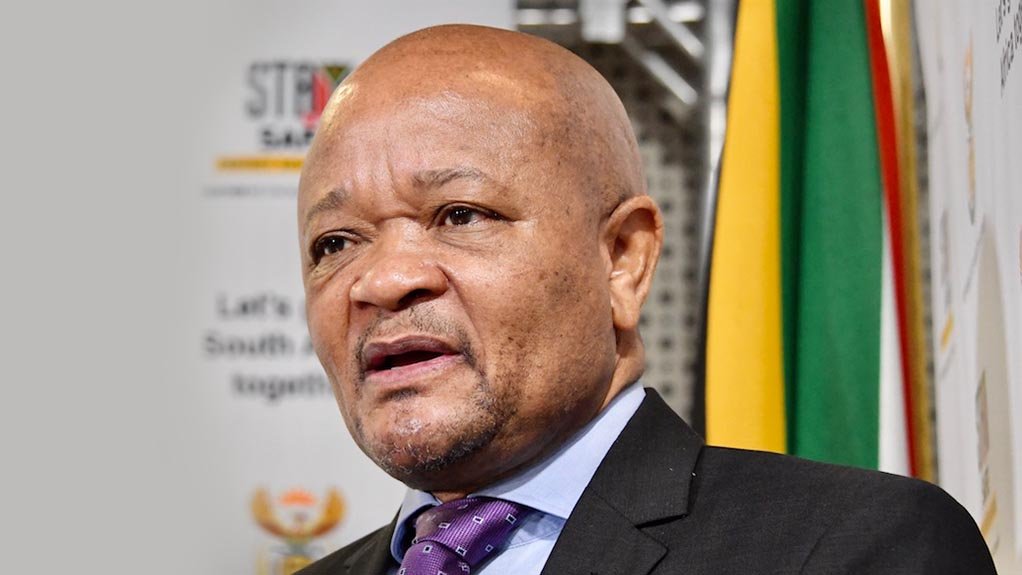
Con Court hears on men’s rights. (EWN)
by Mathipa Phishego
South Africa’s Constitutional Court is set to deliver a landmark ruling on whether men should have the same right as women to assume their spouses’ surnames after marriage. The case, which has drawn national attention, could reshape long-standing traditions around identity, equality, and marriage in the country.
Currently, South African law explicitly allows women to adopt their husbands’ surnames, retain their maiden names, or use a double-barrelled combination. However, men face legal and bureaucratic obstacles when seeking to take their wives’ surnames a disparity critics say violates the constitutional principle of gender equality.
The matter was brought before the court by a Johannesburg couple after the Department of Home Affairs refused the husband’s request to assume his wife’s surname following their marriage. He argued that the refusal not only undermined his constitutional rights but also perpetuated outdated stereotypes about gender roles in families.
Legal representatives for the applicant contend that preventing men from taking their wives’ surnames amounts to unfair discrimination under Section 9 of the Constitution. They argue that the state should not entrench patriarchal norms that privilege the husband’s name over the wife’s.
The Department of Home Affairs, maintains that existing laws are designed around administrative clarity and cultural convention. It has suggested that legislative reform rather than judicial intervention would be the proper mechanism to address the issue.
Civil society organisations, including gender rights groups, have entered the case as amicus curiae (friends of the court), urging the Constitutional Court to uphold equality in naming rights. They point out that many modern couples want flexibility in deciding whose surname to carry, and that the law should reflect changing social realities.
A ruling in favour of the applicant could set a precedent that ensures men and women are treated equally when it comes to marital identity. It could also trigger a review of other bureaucratic practices seen as reinforcing gender bias in family law.
Legal experts say the judgment will also test how the Constitutional Court balances cultural traditions with the evolving constitutional commitment to equality and individual rights.
If the court rules against the applicant, calls are expected to intensify for Parliament to amend the relevant legislation to close what critics describe as a glaring loophole in the legal framework.
The Constitutional Court has reserved judgment, and the ruling is expected within the coming months. Whatever the outcome, the case has already ignited public debate about gender equality, cultural norms, and the evolving meaning of family identity in democratic South Africa.