


Gigaba Set to Exit ANC as He Faces Corruption Charges Linked to R54bn Transnet Deal
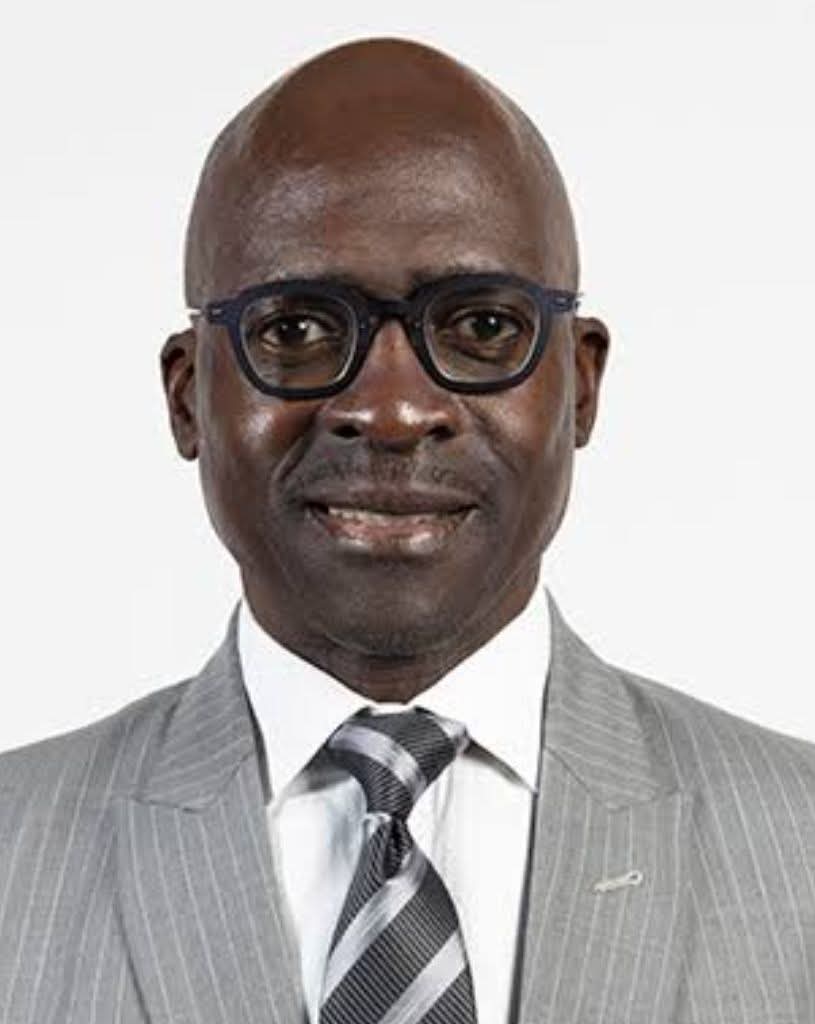
Malusi Gigaba, the former Public Enterprises Minister, is expected to step down from the African National Congress (ANC) after being charged with corruption in connection with the disputed R54 billion Transnet locomotive procurement project.
Gigaba appeared briefly in Palm Ridge Magistrate’s Court on Tuesday, when he was confirmed as the fifth accused in the high-profile state capture-related case. The case has been postponed to January 30, 2026, for docket disclosure and the filing of a formal indictment.
The charges comes from three locomotive tenders of 95, 100, and 1,064 units won between 2010 and 2014, which investigators claim violated procurement regulations and resulted in substantial financial losses for the state-owned logistics firm.
The state claims that during his tenure, Gigaba received hidden cash payments from members of the Gupta family, demonstrating a corrupt association with the influential business network at the center of the state capture affair. The charges reflect claims made before the Zondo Commission, which recommended criminal prosecution.
Gigaba joins co-accused Brian Molefe, Siyabonga Gama, Anoj Singh, and Thamsanqa Jiyane, who were all arrested earlier this year and later released on bail. Gigaba was released with a caution. ANC Secretary-General Fikile Mbalula said that the party expects Gigaba to adhere to its step-aside rule, which prohibits charged members from participating in party operations.
“If Malusi is accused of corruption, he must step away. He will do so freely,” Mbalula said at a media briefing, adding that the party is expecting formal correspondence from Gigaba.
The rule does not specify if Gigaba will also be obliged to leave his parliamentary seat. Ian Levitt, Gigaba’s lawyer, stated that his client plans to defend the accusations. “Our client maintains his innocence and will address the allegations through the court process,” Levitt said, adding that the defense has yet to receive supporting evidence from prosecutors.