


Hon Van Rooyen slams finance report as ‘Sell-Out Pact’ over petrol levy
by Mathipa Phishego
Hon Des Van Rooyen’s harsh criticism of the Standing Committee on Finance’s most recent report, which he described as a “sell-out pact” intended to enrich the wealthy elite while worsening the economic hardships of the poor, shook the National Assembly yesterday. Van Rooyen, a well-known representative of the opposing benches, charged that the report betrayed South Africa’s working class during a contentious plenary session.
“The people are not using this as a financial tactic. With a nod of agreement from certain sections and obvious unease from others, he remarked, “It is a roadmap to further concentrate wealth among the already privileged few.”
Economic criticism was not the only thing Van Rooyen did. He called on South Africans to use their democratic right to expunge those he referred to as izimpimpi, a derogatory term that was once used to refer to informants from the apartheid era and is currently a political slur for alleged collaborators or sellouts, in a direct appeal to the electorate ahead of the 2026 local government elections.
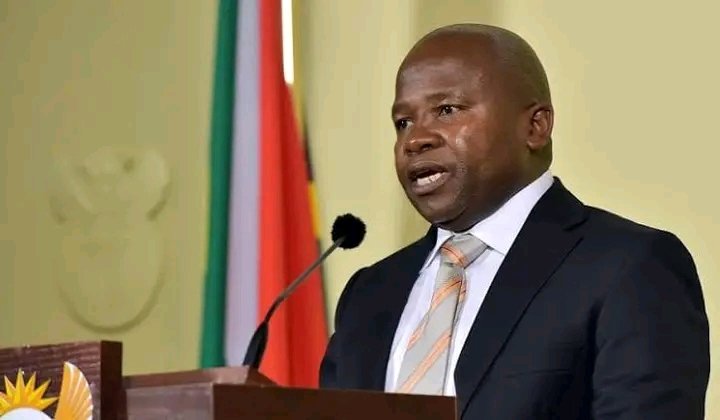
Honorable Des Van Rooyen, one of the Mkhonto Wesizwe Party’s Members of Parliament.
image: Internet
Appealing to populist emotion and reflecting the sentiments of many residents struggling with poverty, unemployment, and inequality, Van Rooyen urged people to use their hard-earned voting rights to remove “iZimpimpi” from office. iZimpimpi referring to the African National Congres (ANC), Democratic Alliance (DA), Freedom Front Plus (FF+), Patriotic Alliance (PA), Inkhatha Freedom Party (IFP), Good Party,Pan Africanist Congress of Azania, Al Jama-ah, Rise Mzansi (RISA), and the United Democratic Movement (UDM).
The Standing Committee on Finance, chaired by members of the governing party, had tabled the report as a strategy for fiscal consolidation, aimed at stabilizing public debt and attracting foreign investment. However, critics like Van Rooyen argue that the recommendations, including spending cuts and limited public sector wage growth, come at a heavy social cost.
Parliamentary response to Van Rooyen’s address was divided. While some MPs dismissed his comments as “reckless populism,” others acknowledged the growing dissatisfaction among voters, especially in economically marginalized communities. As the political temperature rises ahead of the 2026 elections, Van Rooyen’s remarks underscore a deepening ideological divide over the country’s economic future and foreshadow a campaign season likely to be as fiery as it is consequential.