


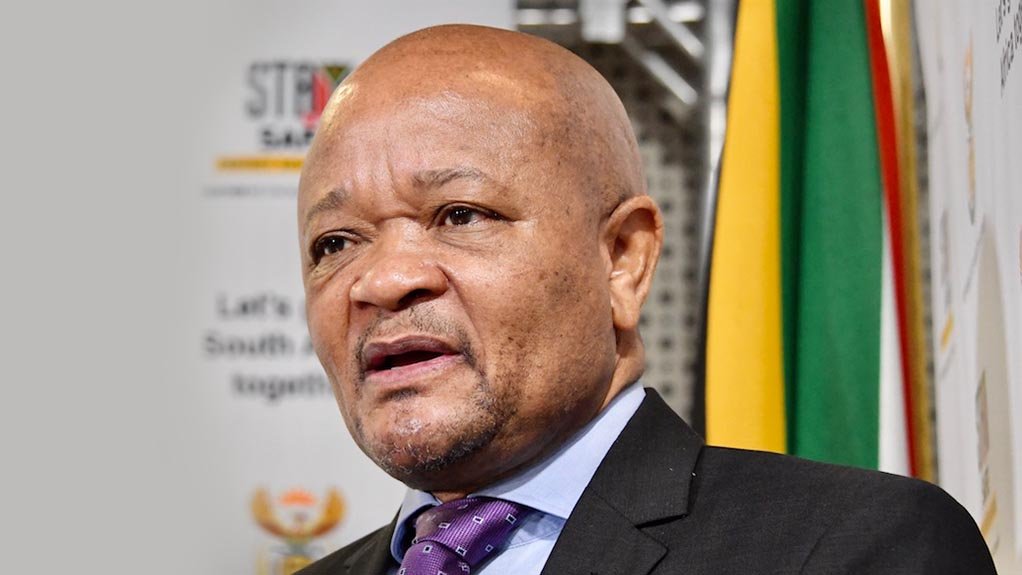
‘I’m Testifying Under Protest,’ Says Suspended Deputy Police Commissioner Sibiya
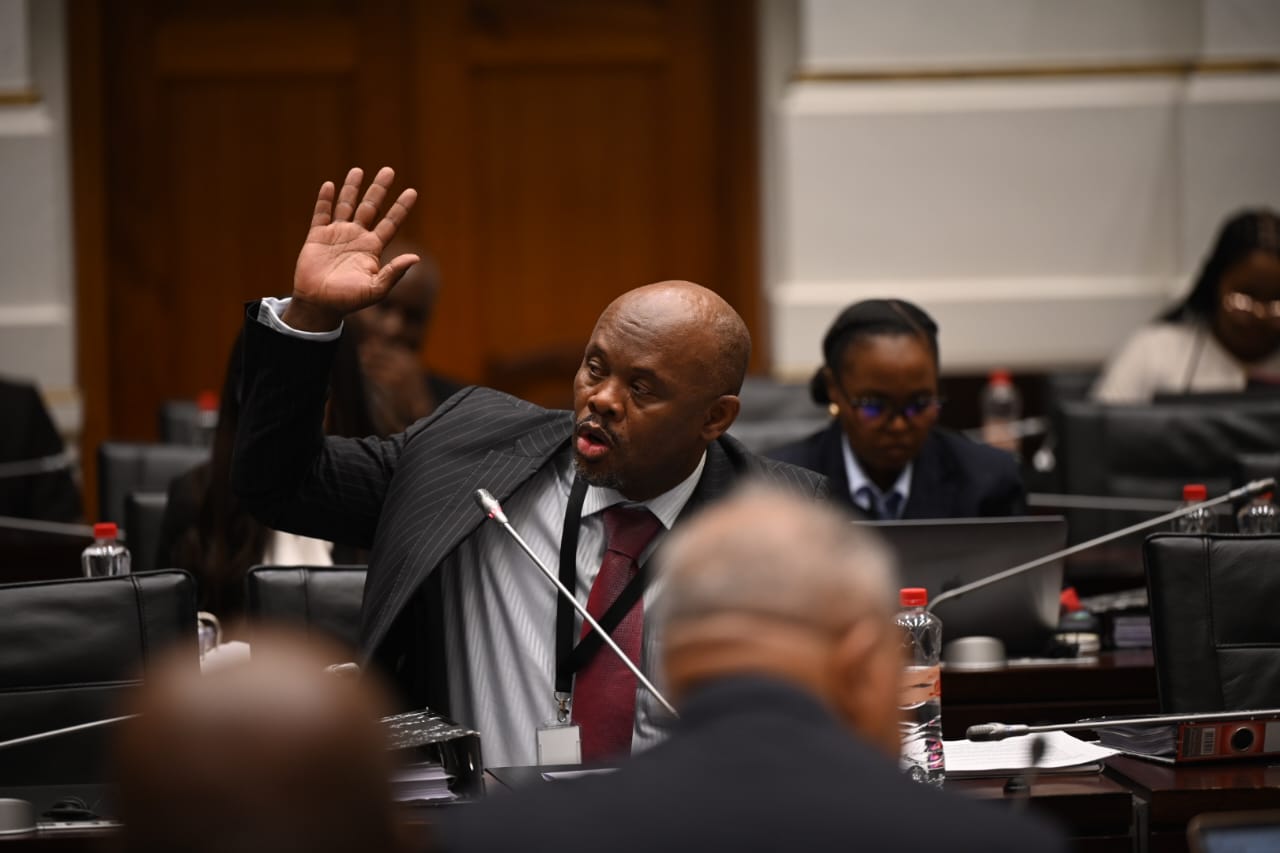
Sibiya testifies at Parliament Ad Hoc Committee. (IOL)
by Mathipa Phishego
The Suspended Deputy National Commissioner for Crime Detection Shadrack Sibiya told Parliament’s Ad Hoc Committee on Tuesday that he is testifying under protest, raising concerns about the fairness of the ongoing inquiry into allegations of political interference and corruption within the South African Police Service (SAPS).
As he prepared to take his oath before the committee, Sibiya made his position clear, stating that he believed the process may already be compromised. “I am proceeding under protest. I believe I’m participating in a process I believe could be tainted,” Sibiya said firmly.
Sibiya’s testimony comes amid mounting controversy and personal upheaval. Just days before his appearance, his home in Centurion, Pretoria, was raided by members of the Special Task Force and the National Intervention Unit (NIU).
During the operation, his electronic devices, including laptops, were seized as part of an ongoing investigation.The suspended police general’s remarks set a tense tone for the day’s proceedings, underscoring deep divisions and mistrust surrounding the committee’s mandate.
The Ad Hoc Committee, established by Parliament, is probing claims of political interference in policing operations, alleged protection of criminal networks, and the infiltration of law enforcement by private interests. Sibiya’s decision to testify under protest follows a string of contentious moments in recent hearings, including EFF leader Julius Malema’s earlier objections over the admissibility of other witnesses’ statements and accusations of bias within the committee structure.
Sibiya, once considered one of SAPS’s most experienced investigators, now finds himself at the centre of a storm over police leadership, corruption, and internal power struggles. The committee is expected to continue hearing evidence throughout the week as it grapples with growing questions about accountability and political interference within the country’s top policing ranks.