


Masemola Backs Mkhwanazi, Accuses Mchunu of Interfering in Police Operations
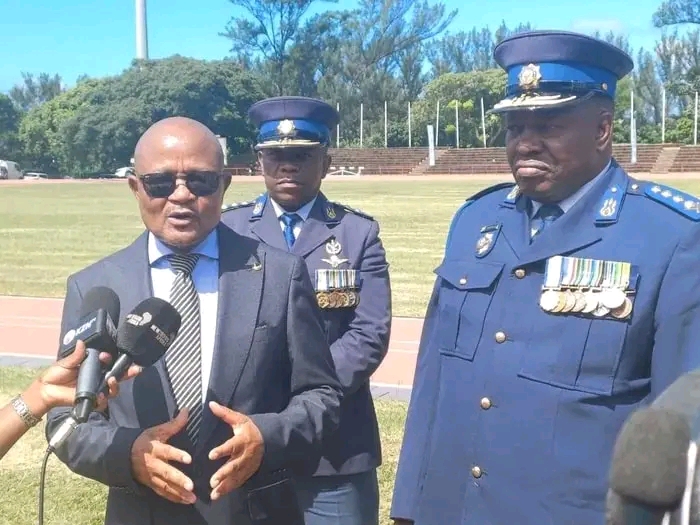
Polokwane Commissioner Fannie Masemola testifies at Madlanga Commission. (Awake Mzansi)
by Mathipa Phishego
National Police Commissioner General Fannie Masemola has told the Madlanga Commission of Inquiry that former Police Minister Senzo Mchunu overstepped his authority when he ordered the disbandment of the South African Police Service’s (SAPS) Political Killings Task Team.
Masemola appeared before the commission on Monday, becoming the second witness after KwaZulu-Natal Police Commissioner Lt-Gen Nhlanhla Mkhwanazi, who testified for three days last week.
Like Mkhwanazi, Masemola raised concerns about political interference in policing operations, saying Mchunu’s actions were outside the scope of ministerial powers.
Masemola stressed that while the police minister has an oversight role, operational decisions fall strictly under the authority of the National Commissioner.
“I don’t expect the minister to get into the ‘how part’ of policing. To go further and say disband [the task team]… and to go further to say disband it ‘now now’ and not even tomorrow… that is totally an encroachment into the mandate of the National Commissioner in terms of performance of my duties,” Masemola told the commission.
The commissioner’s testimony backs Mkhwanazi’s earlier claims that political leaders have interfered in sensitive policing matters. Mkhwanazi testified that Mchunu’s decision to shut down the task team not only weakened investigations into political assassinations, but also undermined police independence.
The Political Killings Task Team, originally set up in response to KwaZulu-Natal’s surge of political violence, was mandated to handle high-profile assassinations often linked to intra-party disputes, council battles, and tender corruption.
The Madlanga Commission is tasked with probing allegations of systemic failures and political meddling in policing, particularly around the handling of political killings. These assassinations remain a major source of instability, especially in KwaZulu-Natal, where councillors and local leaders have frequently been targeted.