


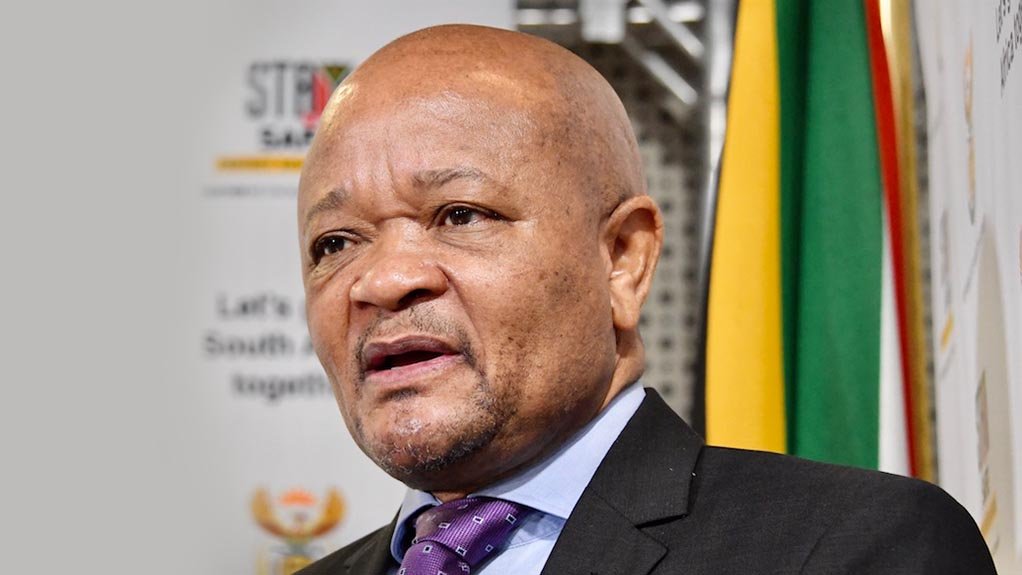
Masemola Confirms Police Minister Ordered Disbandment of Political Killings Task Team
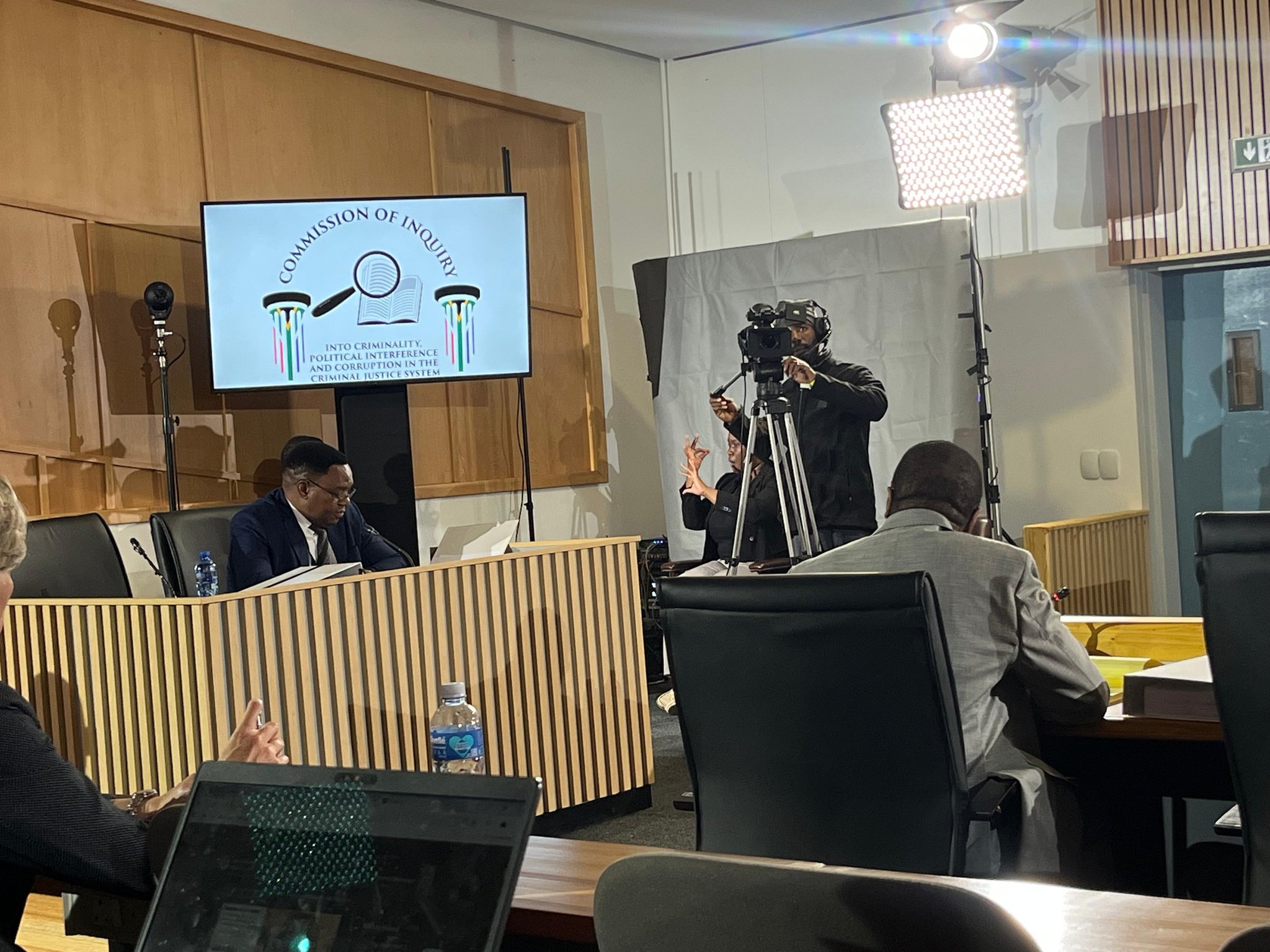
National Police Commissioner, General Fannie Masemola testifying at Madlanga Commission. (IOL)
by Mathipa Phishego
South Africa’s National Police Commissioner, General Fannie Masemola, has confirmed that the controversial disbandment of the Political Killings Task Team (PKTT) was carried out on the instruction of then-Police Minister Senzo Mchunu.
Masemola made the admission while testifying before the Madlanga Commission of Inquiry, which is probing systemic failures in policing, including political assassinations that have plagued the country for years.
His testimony sheds light on a decision that has drawn sharp criticism from civil society, opposition parties, and security experts who argue that the task team was critical in addressing politically motivated violence.
According to Masemola, the PKTT was formally disbanded on December 31, 2024. Following a directive from Minister Mchunu. The written order argued that the unit was no longer required nor adding value to policing in South Africa.
The task team, established after the Moerane Commission of Inquiry into political killings in KwaZulu-Natal, had been tasked with investigating high-profile assassinations often linked to political rivalries and tender disputes. “The ministerial instruction was clear, and the National Commissioner’s office complied with it,” Masemola told the commission.
“However, we later had to reconsider aspects of that decision because of the number of unresolved dockets linked to political killings,” he stated.
The disbandment sparked outrage when it became public earlier this year. KwaZulu-Natal, in particular, has remained a hotspot for political killings, with councillors, party officials, and activists frequently targeted.
The police ministry was accused for weakening the state’s ability to combat organized political violence. The Institute for Security Studies (ISS) warned that dismantling the PKTT undermined progress made in centralising expertise and intelligence gathering on political assassinations.
“These are highly complex crimes that often involve well-organised networks. Disbanding the unit sends the wrong message,” said ISS researcher Johan Burger.
Masemola, emphasised that the police service did not completely abandon the fight against political killings. He revealed that 121 case dockets previously under the PKTT’s jurisdiction were returned to its structure earlier this year after recognising the sensitivity and complexity of such investigations.
“We had to strengthen our response. It was clear that provincial structures alone could not handle these cases effectively,” he testified. The revelation that it was a political decision from the minister’s office rather than an internal SAPS operational move is likely to intensify public debate.
Opposition parties have already accused the government of playing politics with lives. While they argue that the disbandment has left whistleblowers and councillors more vulnerable.
The ruling party has defended Mchunu’s decision, suggesting that resources should be redirected to strengthening provincial policing units rather than maintaining specialised task forces. The Madlanga Commission is expected to make recommendations on the future of the PKTT and other specialised policing units.
There are growing calls for its permanent reinstatement, with stronger oversight mechanisms to prevent political interference in policing decisions. Masemola’s confirmation underscores the reality that the task team’s shutdown was not merely an administrative shuffle.
But a political directive one with far-reaching consequences for the fight against political assassinations in South Africa.