


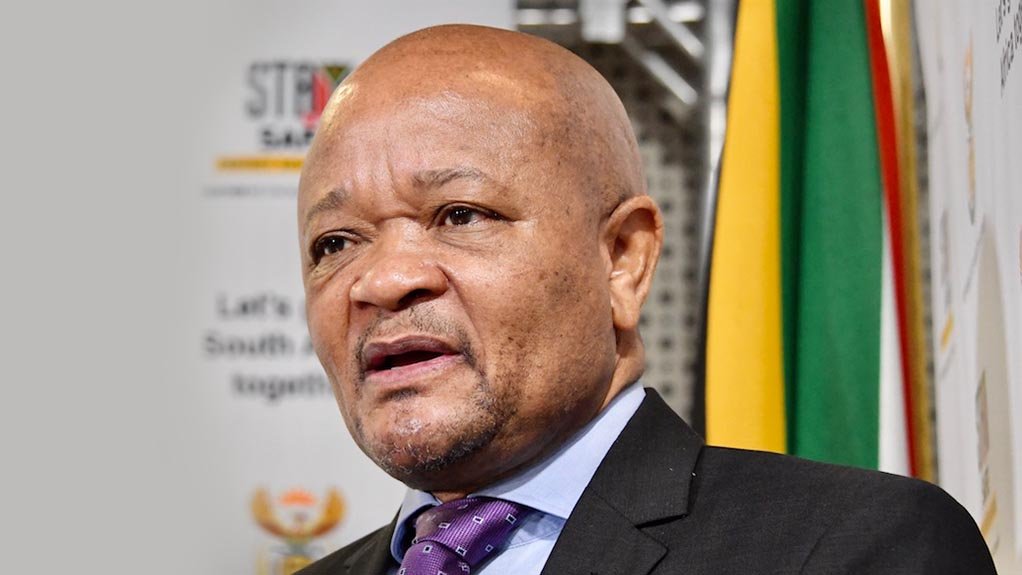
Protests Erupt in Cameroon as 92-Year-Old Paul Biya Win Elections
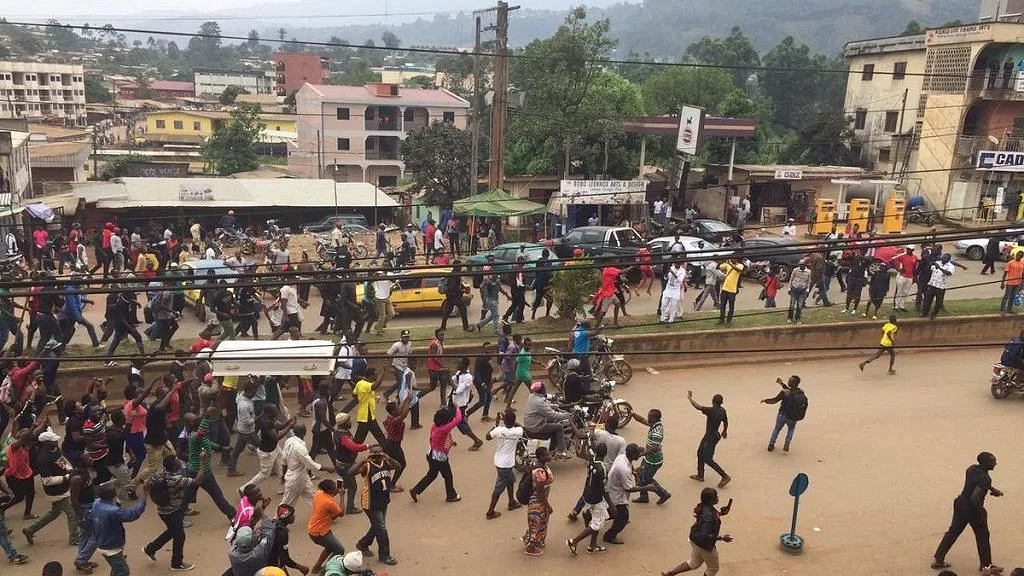
Cameroonians strike after elections won by Paul Biya. (Africannews)
by Mathipa Phishego
Cameroon has been plunged into unrest after 92-year-old President Paul Biya was declared the winner of the 2025 presidential election, extending his 43-year rule amid widespread allegations of electoral fraud and public outrage.
The country’s Constitutional Council on Monday confirmed Biya’s victory with 53.66 percent of the vote, defeating his main challenger Issa Tchiroma Bakary, who rejected the results and accused the government of massive vote-rigging and intimidation.
Soon after the announcement, protests erupted across several cities, including Yaoundé, Douala, and Bafoussam, where demonstrators denounced the outcome as a “stolen election.” Security forces responded with tear gas and live ammunition, leaving at least four people dead and dozens arrested, according to AP News and Africanews.
“We cannot allow this to continue. Forty years is enough,” shouted one protester in Douala before being dispersed by riot police.
Biya, who has ruled Cameroon since 1982, is now Africa’s longest-serving head of state. His administration has long faced criticism for authoritarianism, corruption, and human rights abuses allegations it strongly denies.
Despite his advanced age and recurring health concerns, Biya maintains that his leadership ensures stability and continuity. In his post-election speech, he said,”the vote was a victory for peace, progress, and vowed to build a better future for young people.”
However, opposition figures and civil society groups argue that Biya’s prolonged rule often supported by France, Cameroon’s former colonial power has stifled democracy and deepened inequality. The government’s heavy-handed response to the demonstrations risks further unrest in a country already grappling with economic challenges and the ongoing Anglophone conflict in the northwest and southwest regions.
The protests show that the social contract between the state and citizens has completely eroded. Paul Biya first became president in 1982, succeeding Ahmadou Ahidjo. His government has weathered multiple opposition movements, constitutional changes that scrapped term limits, and a series of disputed elections.
International observers have frequently raised concerns about restricted political freedoms, state-controlled media, and a lack of transparency in the electoral process. The African Union (AU) and United Nations (UN) have called for restraint, dialogue, and independent verification of the election results.