

SA Inflation Hits 3% in June, But RateCuts Still Expected

image: Evolutionary designs
by Kelebogile Matlou
South Africa’s inflation ticked up in June, hitting the lower end of the central
bank’s 3%-6% target range, but economists believe the door remains open for
further interest rate cuts as economic growth continues to falter. Headline
consumer inflation rose to 3.0% year-on-year, up from 2.8% in May, according
to Statistics South Africa.
The rise aligned with economists’ expectations in a
Reuters poll and marked the first increase in months though it still sits
comfortably within the South African Reserve Bank’s (SARB) preferred range.
Since August 2024, inflation has remained below the SARB’s ideal midpoint of
4.5%, prompting the bank to cut the repo rate at four of its last five policy
meetings. Despite the latest uptick, analysts say inflation is still manageable,
and SARB could make further cuts to stimulate a weak economy.
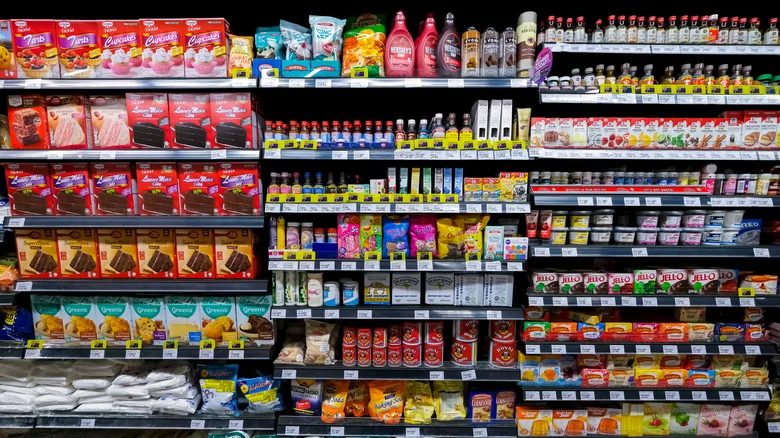
image: Daily meal
A key driver of the increase was food and non-alcoholic beverage inflation,
which reached a 15-month high. Rising costs for rentals and utilities also
contributed, although fuel prices dropped for the fourth month in a row, easing
some of the overall pressure.
Annabel Bishop, chief economist at Investec said that inflation is likely to
climb toward 4% by the end of 2025. However, she emphasized the current
high real interest rate with the repo rate at 7.25%. “We expect at least one
further 25 basis point cut in the repo rate this year,” she wrote in a research
note.
The SARB’s next interest rate decision is set for July 31, a day before U.S.
President Donald Trump’s new 30% tariff on South African exports is due to
take effect, adding further pressure on the already fragile economy. Surveys
conducted since May show that inflation expectations have dropped among
analysts, business leaders, and trade unions, data the central bank uses to
guide policy decisions.
David Omojomolo, an economist at Capital Economics echoed calls for
easing, pointing to the country’s struggling economy as a clear signal that
SARB has room and reason to cut rates further.