


Tarina Patel Champions New Cultural Renaissance Between India and South Africa
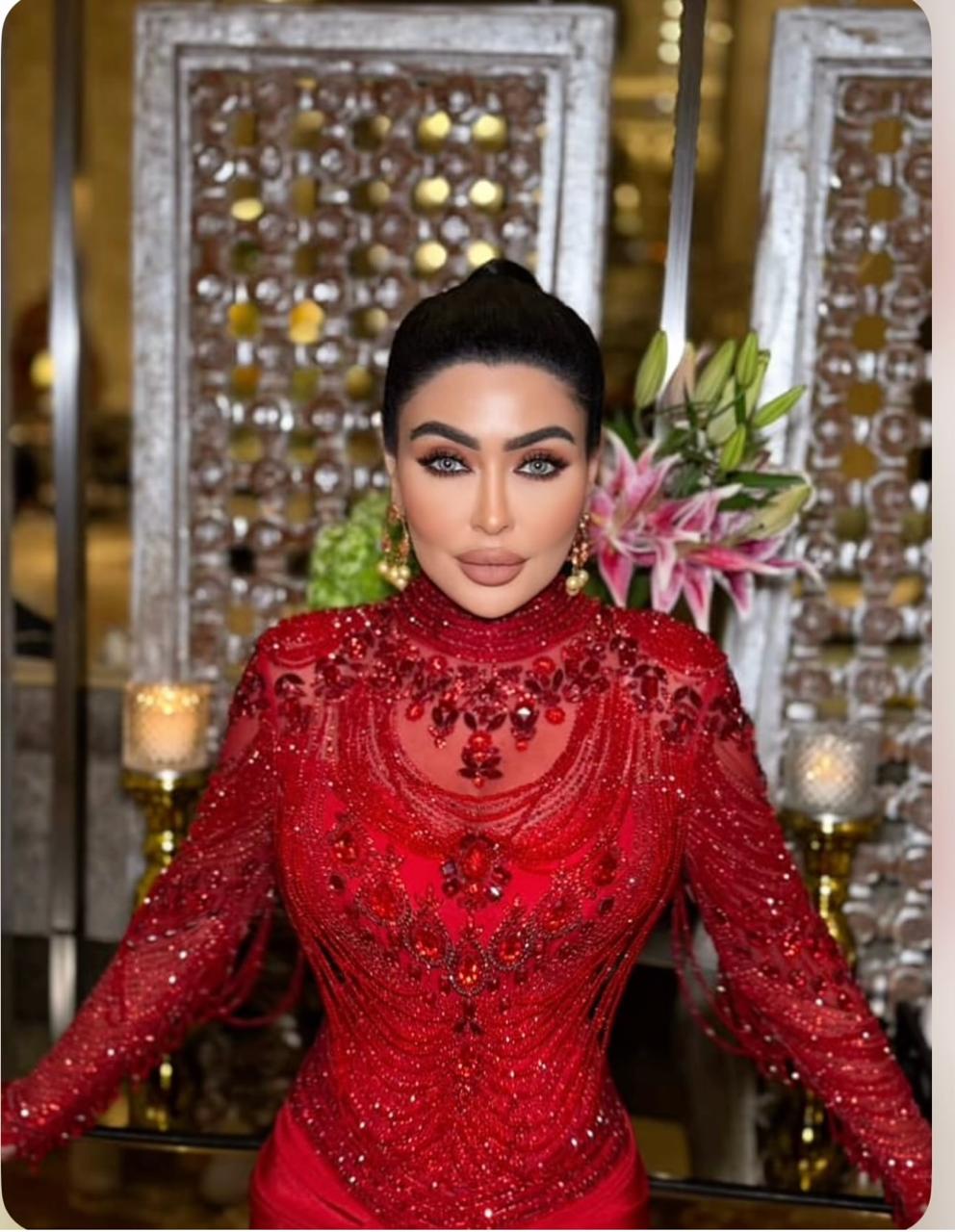
Tarina Patel belives India and South Africa can collaborate for arts and culture. (Supplied)
By Mathipa Phishego
An award-winning filmmaker, author and philanthropist Tarina Patel stands at the intersection of two vibrant worlds India and South Africa. She is using her voice, artistry, and influence to reimagine how the two nations connect culturally in the 21st century.
Patel, a South African of Indian heritage, speaks of her identity as a harmonious dance between the colours of India and the rhythms of South Africa. She believes tHtculture is not simply inherited, it is lived, reshaped, and shared.
“Four generations later, my Indian roots remain as vibrant as ever. They are intertwined with the warmth, resilience and creativity of South Africa. I am not defined by two cultures I am strengthened by them,” she said.
Patel’s growing influence in cultural diplomacy has reached a new height. She recently joined the prestigious steering committees of IIFI, Waves Bazaar, and the National Film Development Corporation (NFDC) placing her at the centre of India’s most powerful cultural and creative policymaking platforms.It is a role she describes as both an honour and a responsibility.
She said that being entrusted at this level of Indian governance gives me the opportunity to deepen the ties between our two great nations. “I want to bring our stories together to merge the wisdom of ancient civilizations with the innovation of modern creators,” added Patel.
Her vision is a bold one, a dynamic India–South Africa cultural ecosystem that blends heritage with technology, creativity with diplomacy, and tradition with global storytelling.
Patel believes that culture must evolve beyond nostalgia and embrace future-facing innovation. She outlines several key areas where both nations can work together.
Patel believes that film and co-productions can create Indian–South African films that elevate shared histories and contemporary narratives. Performing arts joint festivals and cross-border performances featuring dance, theatre, and music.
With degital media collaborations between tech innovators to produce virtual museums, AI-driven art, and immersive cultural experiences. She also believes in academic partnerships, establishing cultural chairs, artist residencies and exchange programmes across universities and museums.
Media Integration thag strengthen broadcast and digital partnerships to take Indian–South African stories to global audiences.These are not mere possibilities for Patel, they are essential tools for building a cultural future that is inclusive, ambitious, and globally competitive.
Patel speaks with deep admiration for India’s Prime Minister Narendra Modi, praising his commitment to placing culture at the heart of diplomacy. She noted, “his leadership reminds the world that culture is not ornamental. It is transformational. At the same time, she remains fiercely proud of her South African identity.
“Our nation’s mosaic our ubuntu, our storytelling, our music aligns beautifully with India’s timeless values of unity and harmony. We mirror each other more than we realise,” she stated.
The relationship between India and South Africa spans centuries from early trade routes to Gandhi’s formative years in Durban. Modern collaborations in business, art and cinema. Patel believes the next chapter will be defined by creativity.
Patel added, “as the world converges through platforms like the G20, our shared cultural power can lead the way. We are on the brink of a new renaissance one driven by compassion, imagination and a deep respect for our intertwined histories.”
Patel’s culture is the universal language through which nations rediscover each other. And through her work, she is helping India and South Africa not just remember their shared past but rewrite their future together.