

Treasury to decide on new inflation target soon
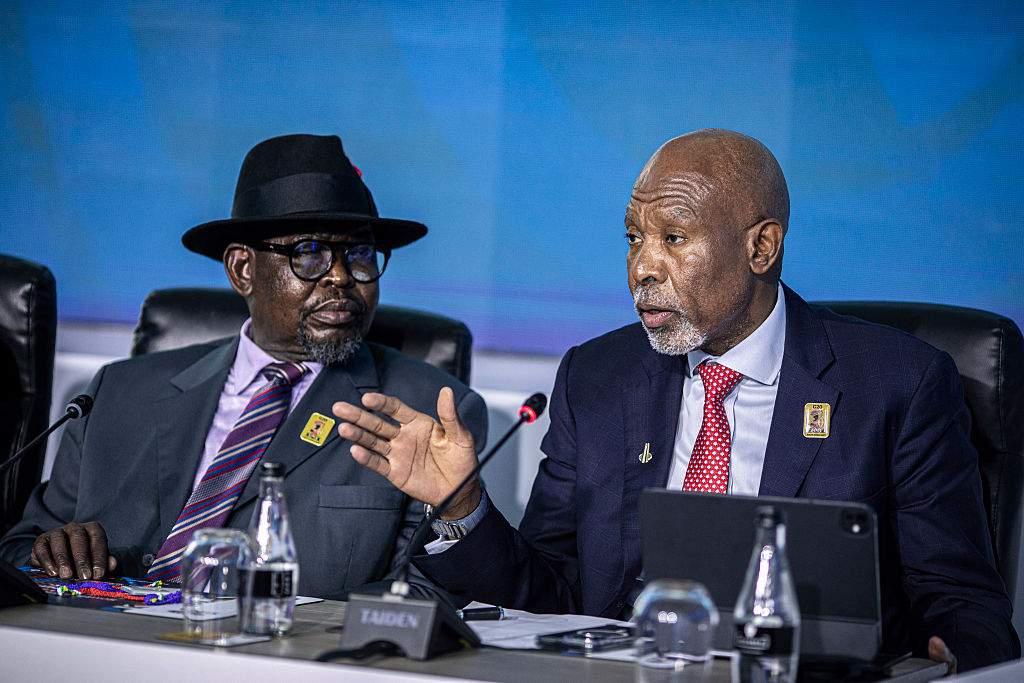
image: Internet
by Kelebogile Matlou
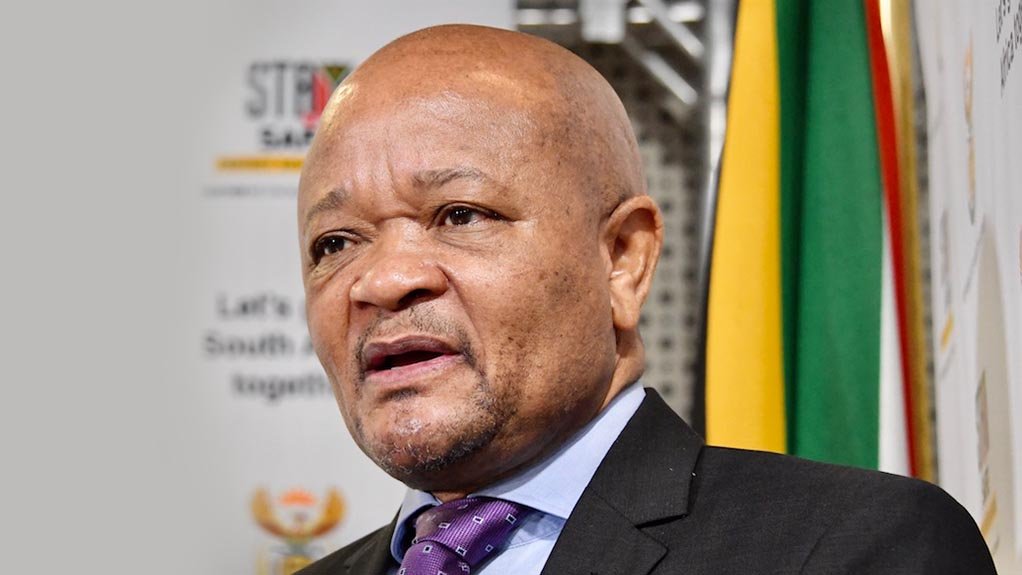
South Africa’s National Treasury said on Monday that it will soon determine whether to adjust the country’s inflation goal, following a long-running dispute with the South African Reserve Bank (SARB). The move comes as inflation has slowed to multi-year lows, giving officials opportunity to reassess the framework.
The Macroeconomic Standing Committee, co-chaired by Treasury and the SARB, has concluded its technical study and will make recommendations to Finance Minister Enoch Godongwana and Reserve Bank Governor Lesetja Kganyago.
The Reserve Bank has regularly advocated for a tighter goal, with Governor Kganyago and the Monetary Policy Committee (MPC) indicating a preference for inflation closer to 3%, the lower end of the existing 3%-6% range. Since 2017, the SARB has effectively targeted the 4.5% midpoint; but, in July, Kganyago intimated that 3% would better anchor expectations and match South Africa with global counterparts.
“The economy cannot wait. To target 3% would anchor expectations more solidly and bring us in line with our trading partners.Kganyago declared at last month’s MPC meeting.According to the SARB, cutting inflation would stabilize prices, increase household buying power, lower borrowing costs, and strengthen competitiveness.
Treasury, on the other hand, has highlighted that only the Finance Minister has the authority to legally revise the objective, warning against abrupt changes that might disrupt budgetary planning. Its medium-term projections show inflation at roughly 4.5%, not 3%.
This gap highlights a long-standing policy conflict between monetary tightening and fiscal flexibility. Economists remain divided, Sanisha Packirisamy, Chief Economist at Momentum Investments, stated that although a lower aim might boost credibility and attract investment, it also risks inhibiting short-term growth.
Proponents argue that a 3% aim would boost consumer purchasing power, lower debt payment costs, and improve investment stability.
Ratings agencies have identified possible vulnerabilities, with S&P Global noting that the Treasury’s predictions anticipate inflation at the midpoint. A lower goal may expose fiscal balances to more shocks if external forces drive inflation higher.
The National Energy Regulator (NERSA) has authorized hefty power pricing increases for 2026 and 2027, which experts believe would jeopardize attempts to attain 3%.
“The threat of a supply-side shock in South Africa is real. Food prices, energy costs, and the rand’s exchange rate can all derail a low target. In a joint statement, Treasury and the SARB agreed that actions must be coordinated, any adjustments to the target band will be determined by the Governor and Minister of Finance. The Minister will make an official pronouncement as soon as possible,”Packirisamy stated.