


Tshwane Mayor Denies R777 Million Water Tanker Spending Claims
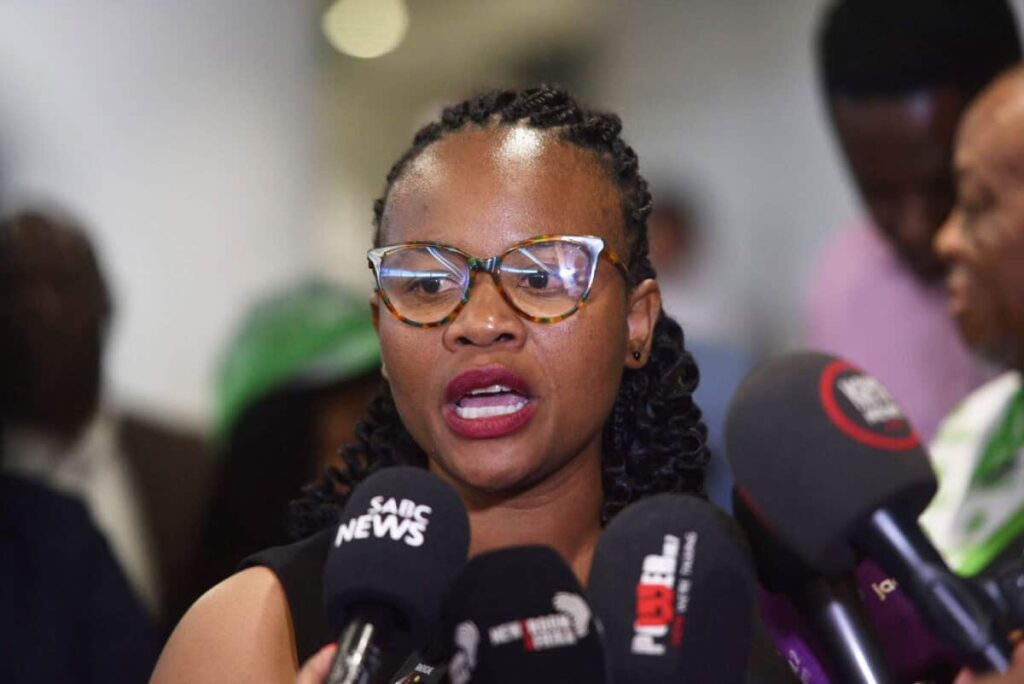
image: Dr Nasiphi Moya, City of Tshwane Executive Mayor
Mayor Dr Nasiphi Moya addresses the media, clarifying that Tshwane’s verified spending on water tankers is R610 million, not R777 million as reported
by Kelebogile Matlou
Tshwane Mayor Dr Nasiphi Moya has denied reports that the city spent R777 million on water tankers during the previous year 2024/2025. She called the figure as misleading and blamed municipal authorities for spreading incorrect information. At a media briefing on Thursday, October 23, 2025, Moya explained that the reported figure is for total purchase orders rather than actual expenditure.
According to Dr Moya, the verified spending is R610 million, with extra charges from past fiscal years and disputed invoices increasing the total. She said that the confusion emerged as the city continues to confront water shortages, mostly due to Rand Water’s maintenance delays and the aftermath of the Hammanskraal cholera outbreak.
Moya explained that the city is reducing reliance on water trucks by implementing alternatives such as fire hydrants for supply. She stated that continuing investigations are looking into how tanker funds were handled to guarantee accountability and transparency.
“The validated figure, or actual expenditure for 2024-2025, is R610 million. There are R179 million in accruals from unpaid invoices from the previous fiscal year, as well as R156 million in disputed invoices under review,” Dr Moya said.
The latest figures reveal a 36% increase in costs compared to previous year, which is directly related to a 50% increase in water interruptions. Moya pointed out the majority of the increased costs to emergency interventions during Rand Water’s maintenance work, which required Tshwane to pay R75 million on additional tankering services.
A large percentage of the budget was spent reacting to the cholera epidemic in Hammanskraal, where polluted water from the Rooiwal facility killed over 20 people in 2023. Moya said the city had to provide clean water options, which cost R84 million for tankering in Hammanskraal and R24 million to assist nearby Rooiwal farmers facing similar issues.
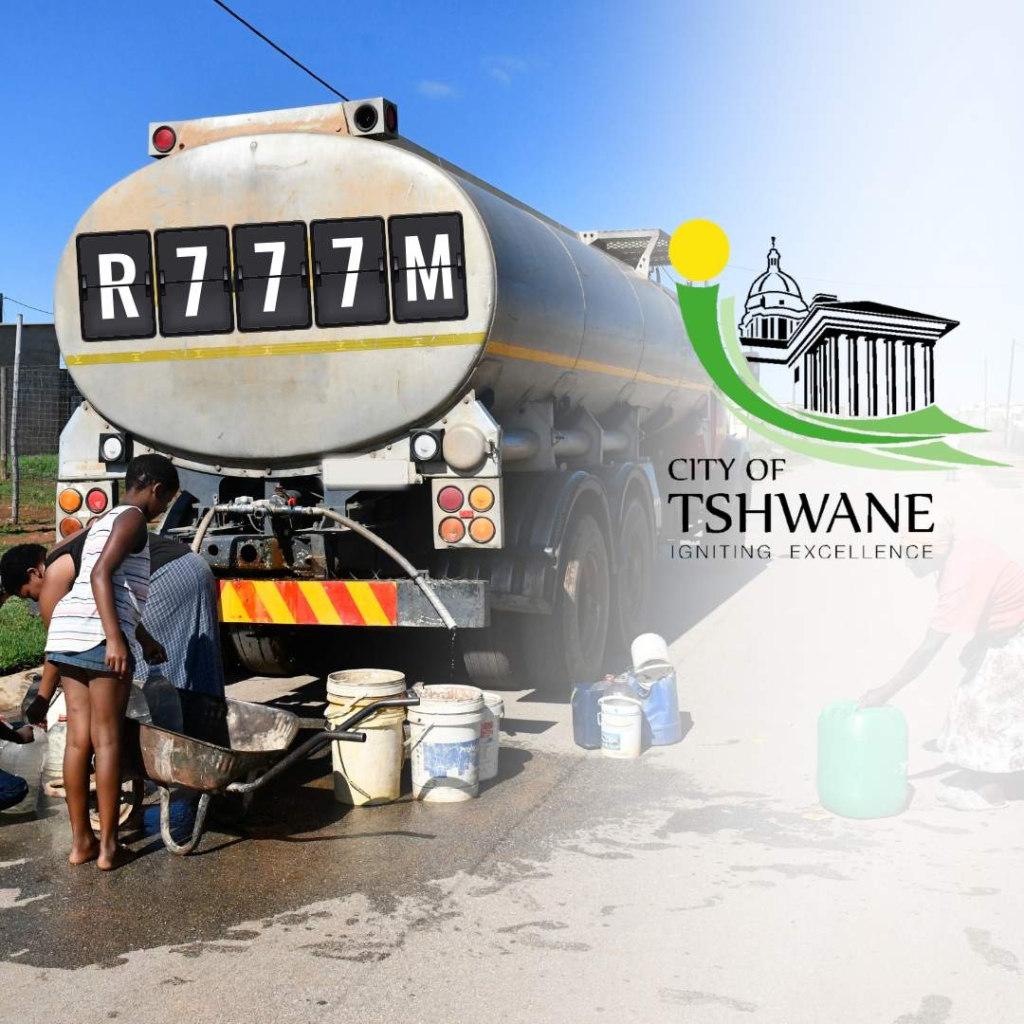
Delays in renovating the Rooiwal wastewater treatment facility, caused by tender conflicts and project difficulties, have left villages dependent on tankers for longer than expected.
Dr Moya announced that the city has begun withdrawing tankers from particular neighborhoods to save money, while also installing fire hydrants to offer residents with emergency access to water during outages. These initiatives are part of a larger plan to upgrade infrastructure and ensure a reliable water supply through increased collaboration with Rand Water.
While defending the city’s spending, Dr Moya acknowledged that it is still uncertain whether Tshwane received appropriate value for money on all tanker contracts. Ongoing investigations are looking for evidence of irregularities or corruption in procurement processes, payment records, and delivery performance.
Dr Moya continued by condemning officials for releasing incorrect numbers, warning that such activities undermine public trust and divert attention away from attempts to address Tshwane’s persistent water crisis.